Hadrian's Wall
"Hadrian's Wall", also called the Roman Wall, Picts' Wall, or Vallum Hadriani in Latin, was a defensive fortification in the Roman province of Britannia, begun in 122 AD in the reign of the emperor Hadrian. It ran from the banks of the River Tyne near the North Sea to the Solway Firth on the Irish Sea, and was the northern limit of the Roman Empire, immediately north of which were the lands of the northern Ancient Britons, including the Picts.

Great Wall of China
"The Great Wall of China" is a series of fortifications made of stone, brick, tamped earth, wood, and other materials, generally built along an east-to-west line across the historical northern borders of China to protect the Chinese states and empires against the raids and invasions of the various nomadic groups of the Eurasian Steppe.
Several walls were being built as early as the 7th century BC; these, later joined together and made bigger and stronger, are now collectively referred to as the Great Wall. Especially famous is the wall built 220–206 BC by Qin Shi Huang, the first Emperor of China.

George W. Bush's Speech About 911
"Tonight, I ask for your prayers for all those who grieve, for the children whose worlds have been shattered, for all whose sense of safety and security has been threatened. And I pray they will be comforted by a Power greater than any of us, spoken through the ages in Psalm 23:
Even though I walk through the valley of the shadow of death, I fear no evil for you are with me.
This is a day when all Americans from every walk of life unite in our resolve for justice and peace. America has stood down enemies before, and we will do so this time. None of us will ever forget this day, yet we go forward to defend freedom and all that is good and just in our world.
Thank you. Good night. And God bless America."
Thank you. Good night. And God bless America."

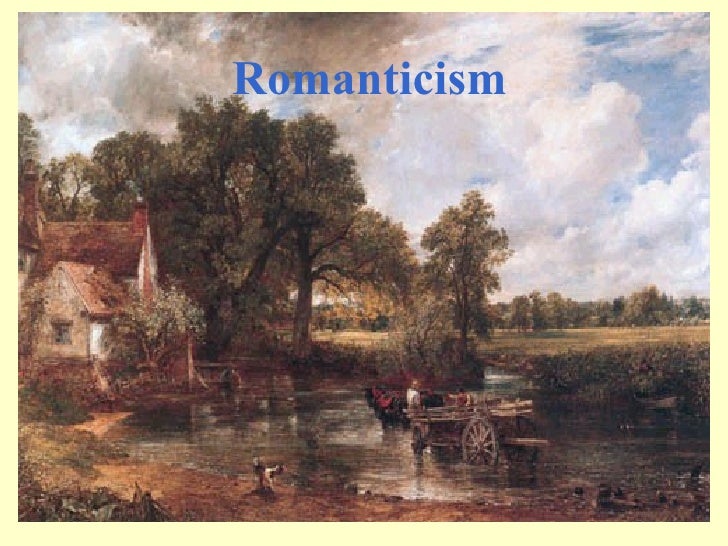
Romanticism
Romanticism (also the Romantic era or the Romantic period) was an artistic, literary, musical and intellectual movement that originated in Europe toward the end of the 18th century and in most areas was at its peak in the approximate period from 1800 to 1850. Romanticism was characterized by its emphasis on emotion and individualism as well as glorification of all the past and nature, preferring the medieval rather than the classical.
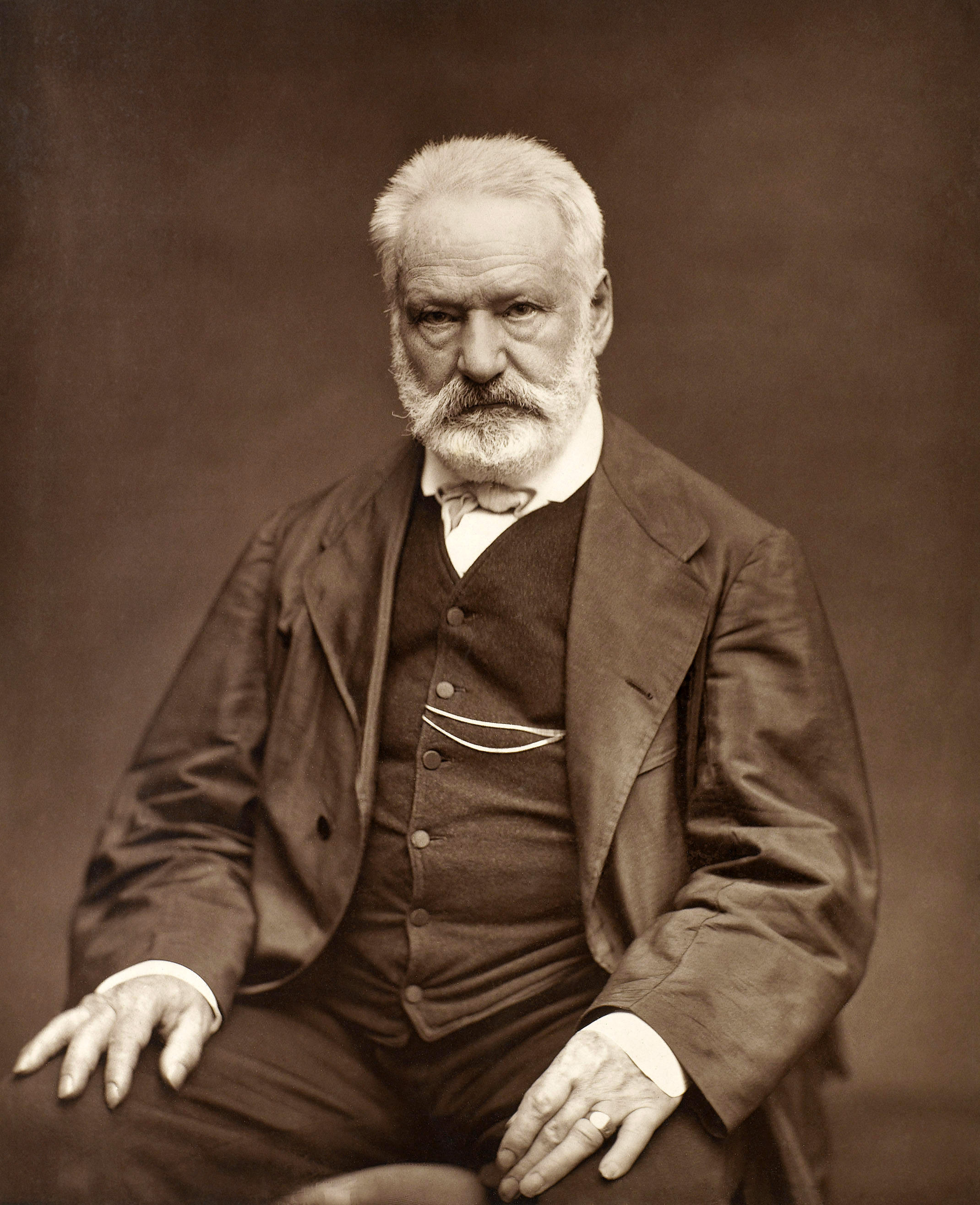
Victor Hugo
Victor Marie Hugo was a French poet, novelist, and dramatist of the Romantic movement. He is considered one of the greatest and best-known French writers. Outside France, his best-known works are the novels Les Misérables, 1862, and The Hunchback of Notre-Dame (French: Notre-Dame de Paris), 1831. In France, Hugo is known primarily for his poetry collections, such as Les Contemplations (The Contemplations) and La Légende des siècles (The Legend of the Ages). He produced more than 4,000 drawings, and also campaigned for social causes such as the abolition of capital punishment.
Girl with a Pearl Earring
"Girl with a Pearl Earring" is an oil painting by 17th-century Dutch painter Johannes Vermeer. It is a tronie of a girl with a headscarf and a pearl earring. The painting has been in the collection of the Mauritshuis in The Hague since 1902.
Kingsman: The Secret Service
"Kingsman: The Secret Service" is a British-American spy action-comedy film directed by Matthew Vaughn, and based on the comic book The Secret Service, created by Dave Gibbons and Mark Millar. The screenplay was written by Vaughn and Jane Goldman. It follows the recruitment and training of a potential secret agent, Gary "Eggsy" Unwin (Taron Egerton), into a secret spy organisation. Eggsy joins a mission to tackle a global threat from Richmond Valentine (Samuel L. Jackson), a wealthy megalomaniac.

➤temp- : time
ex:(1)temporary n. / adj. : not lasting or permanent
⇨Ellen has got a temporary job.
(2)temperature n. : the measured amount of heat in a place or in the body
⇨The temperature dropped abruptly.
(3)temporal n. / adj. : of, relating to time or situated near the temple,
⇨The Church has no temporal power in the modern state.
➤ab- : something negative
ex:(1)abolish v. : to end an activity or custom officially
⇨Bad customs and laws ought to be abolished.
(2)abhor v. : to hate something or someone
⇨Most people abhor cruelty to children.
➤op- : something negative, against
ex:(1)opprobrium n. : scorn, insult
⇨The coach heaped opprobrium upon the fledgling ball player.
(2)opposite n. / adj. / adv. / prep. [ + to ] : completely different
⇨His store is opposite to mine.

沒有留言:
張貼留言